Prishtina, 23 June 2026
The Faculty of Civil Engineering of the University of Prishtina hosted a professional workshop dedicated to the presentation and discussion of the initiative for the establishment of an Advanced Meteorological Forecasting and Multi-Hazard Early Warning System in Kosovo.
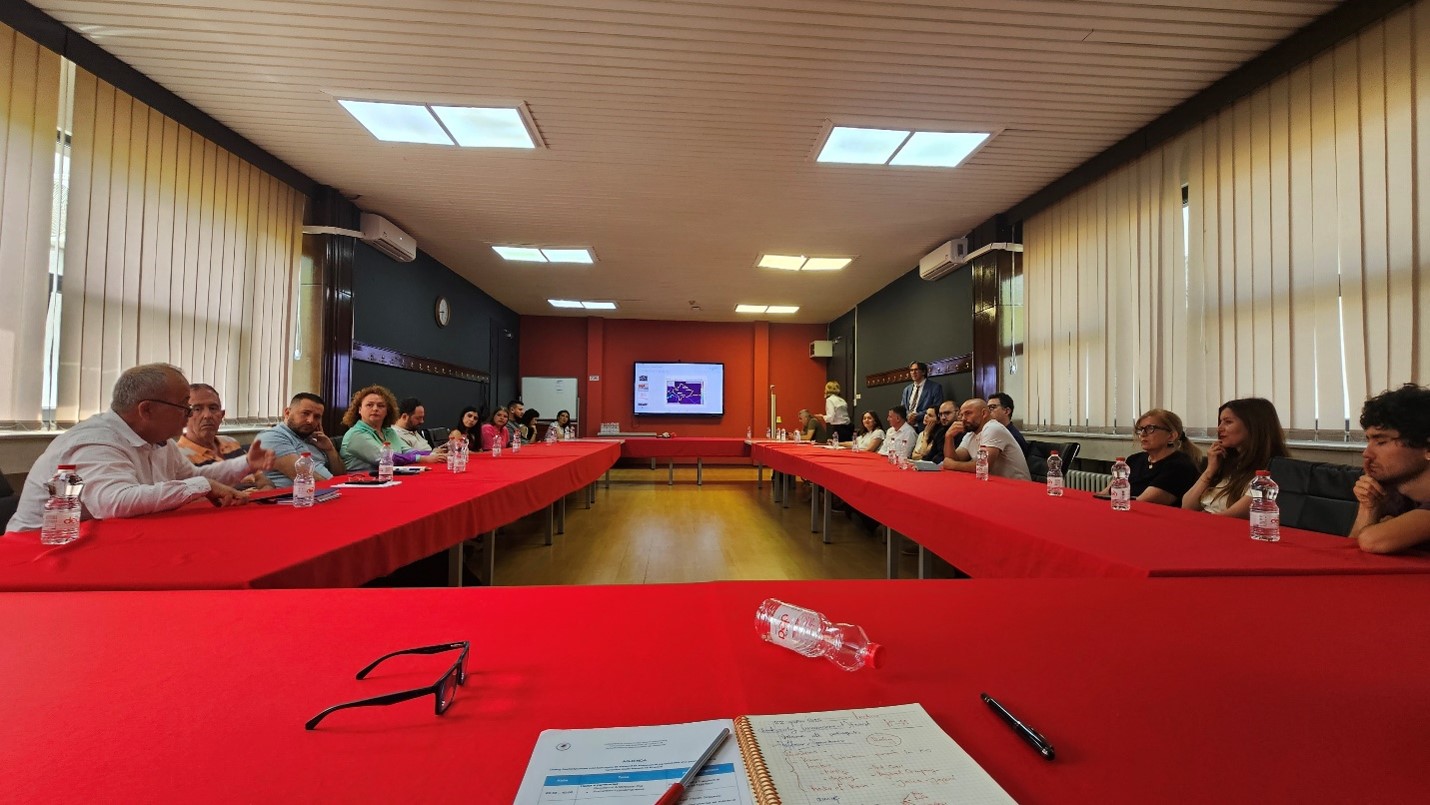
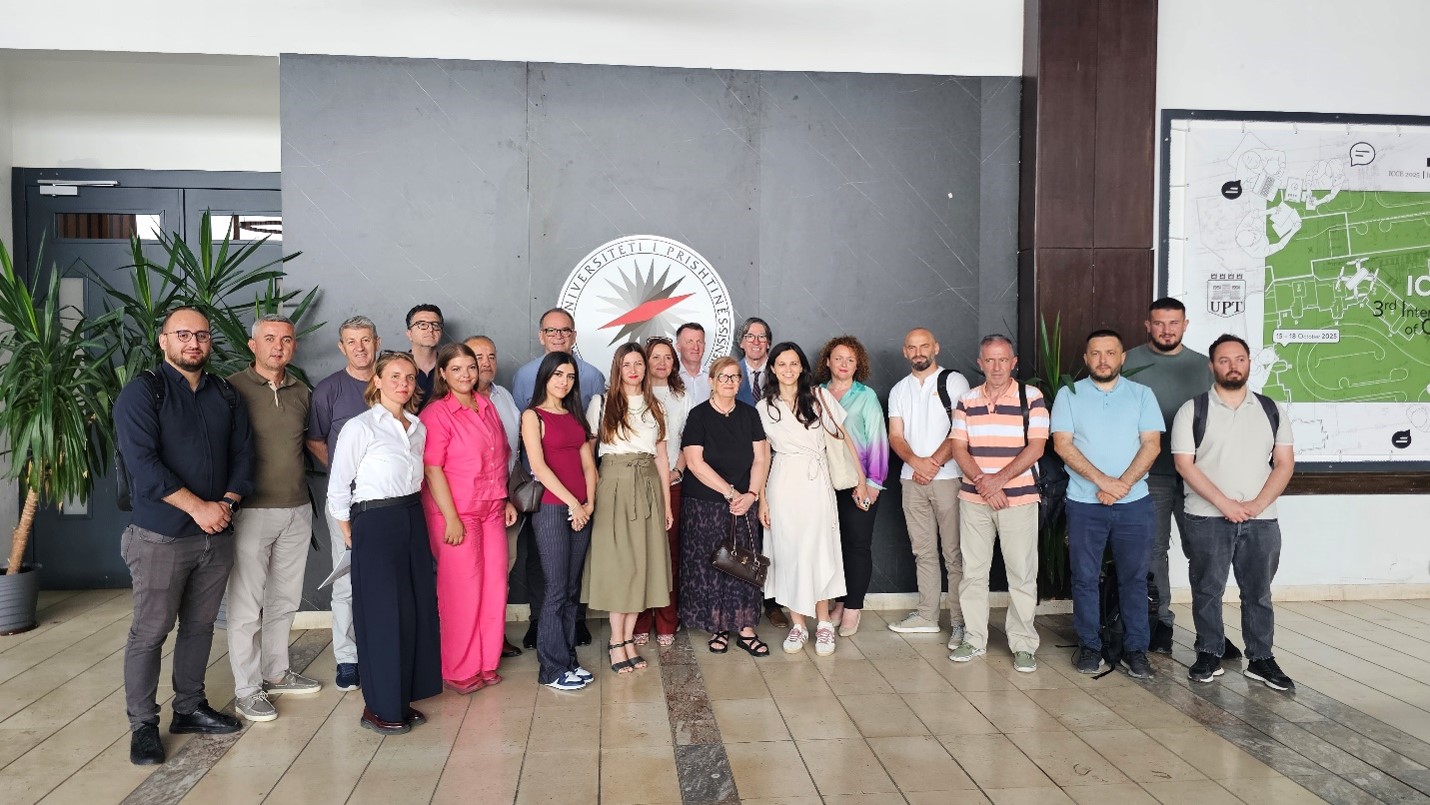
The workshop brought together representatives of academic institutions, public authorities, experts in meteorology, hydrology, environmental engineering, disaster risk management, and other relevant stakeholders interested in strengthening Kosovo’s capacities for forecasting, monitoring, and responding to natural hazards.
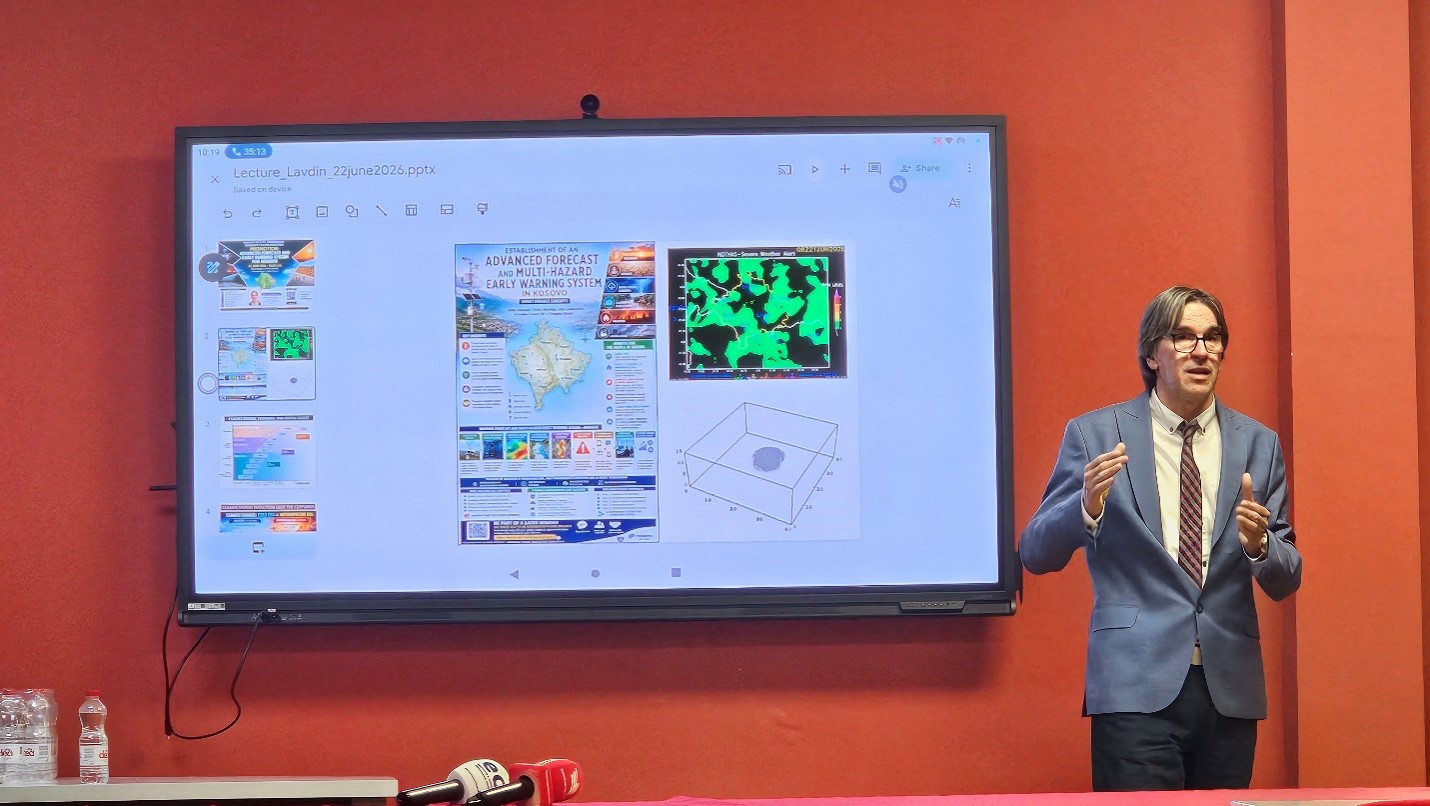
During the workshop, the project team presented the concept, objectives, and technical components of the proposed platform, emphasizing the importance of developing a modern and integrated early warning system capable of providing timely and reliable information on severe weather events and other natural hazards. Particular attention was given to the scientific, technical, and institutional requirements necessary for the successful implementation of such a system.
The presentations highlighted the potential of advanced forecasting technologies, real-time data acquisition, numerical weather prediction models, geospatial analysis tools, and decision-support systems that would contribute to improved preparedness and risk reduction at both national and local levels.
Participants discussed the strategic importance of establishing a comprehensive forecasting and warning platform in accordance with international standards and best practices. The need for strong inter-institutional cooperation among governmental agencies, academic institutions, emergency management authorities, and research organizations was identified as a key prerequisite for the successful development and long-term sustainability of the system.
The workshop also served as a platform for exchanging experiences and perspectives on climate-related risks, extreme weather events, flood forecasting, drought monitoring, and the broader role of early warning systems in protecting communities, infrastructure, economic activities, and the environment.
At the conclusion of the event, participants expressed their support for further development of the initiative and emphasized the importance of continued collaboration among all relevant stakeholders. The Faculty of Civil Engineering reaffirmed its commitment to contributing scientific expertise, research capacities, and academic support toward initiatives that strengthen national resilience and sustainable development.
The workshop represents an important step toward enhancing Kosovo’s capabilities in meteorological forecasting, disaster risk reduction, and climate resilience through the application of advanced technologies and evidence-based decision-making.
Faculty of Civil EngineeringUniversity of Prishtina